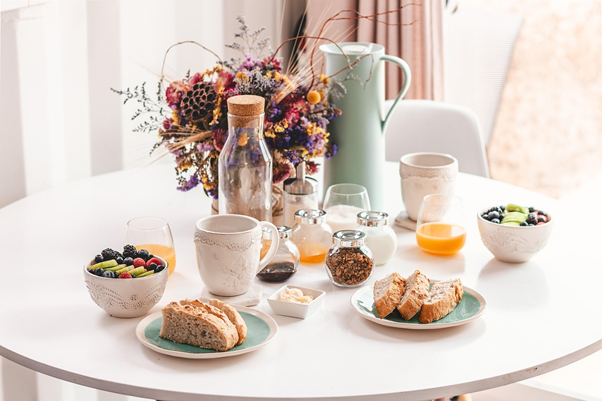
Brunch that turns into a few hours of card games or board games has been a weekend staple for generations – the kind of low-effort gathering that works whether it’s family, old friends, or neighbors who happen to be free. No reservations, no cleanup at a restaurant, no pressure to keep things moving.
What follows is a practical breakdown: food that works, games that fit, and a few details that make the difference between a forgettable morning and one people ask to repeat.
Why This Combination Works
Sharing a meal changes how people interact – reaching for the same plate of pastries or refilling each other’s coffee shortcuts the usual social warm-up. By the time the food is half-gone, the room feels different than it did when guests arrived.
Adding games extends that window. Cards or a board game give the gathering loose structure, something to organize conversation around without dominating it. The best sessions are the ones where the game becomes an excuse to stay at the table longer rather than the actual point.
The Card Game Effect
There’s a reason poker nights and blackjack tables have always doubled as social gatherings. Card games create a specific energy – casual competition, a bit of unpredictability, moments of luck that give everyone something to react to.
For those who enjoy that casino-adjacent atmosphere, platforms like 10 Euro Bonus ohne Einzahlung Casino offer no-deposit bonuses to try online slots or table games without spending.
Food That Fits the Mood
Hosting a morning like this doesn’t require cooking skills or hours of preparation. The food just needs to be present, shareable, and ignorable when the game gets interesting.
Keep It Simple
Anything that requires individual plating creates work. Anything that needs a knife and fork interrupts the flow. The best brunch-and-games food sits on a board or a big plate in the middle of the table, available to whoever wants it.
Cheese, crackers, fruit, cured meat – this takes ten minutes to assemble and looks better than most cooked alternatives. Bakery croissants require even less effort. Mini quiches can be made the night before or bought ready-made. The guiding principle: the host should spend the morning at the table, not standing at the stove.
Drinks That Work
Coffee needs to be self-service. A large French press, a carafe that stays warm, a setup where guests pour their own refills – anything that keeps the host from playing barista all morning. Same logic applies to water, juice, tea. Put it on the table, let people help themselves.
Alcohol is optional and usually unnecessary. If the group wants it, a pre-mixed pitcher of something simple beats making cocktails to order. But most of these mornings run perfectly well on caffeine and orange juice.
Games Worth Pulling Out
Picking the wrong game can derail the whole thing. Twenty minutes of rule explanations, three-hour commitments, complicated setups – none of that fits the mood. The right games start fast, end clean, and don’t punish latecomers.
A standard deck of cards handles most situations. Poker, blackjack, rummy – the classics survive because they work. Rules are either already known or explained in two minutes. Rounds end quickly. Someone showing up an hour late can join the next hand without disrupting anything.
Board games work if chosen carefully. The thirty-to-forty-five minute range tends to be ideal – long enough to feel satisfying, short enough that people aren’t trapped if they need to leave.
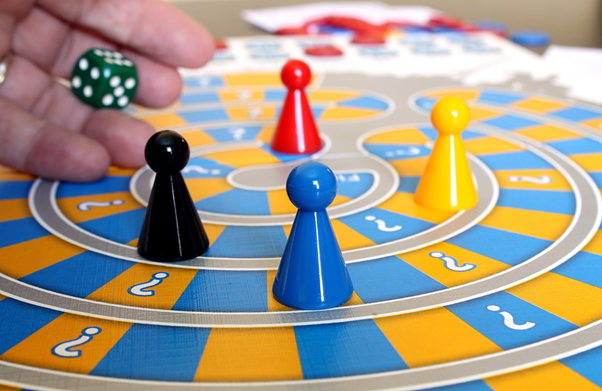
Codenames travels well between different age groups. Ticket to Ride explains quickly and plays smoothly. Catan has become default for a reason. The common thread: these games reward attention without punishing casual players, and they end before anyone starts checking their phone.
Setting the Right Atmosphere
Most of what makes a gathering feel good has nothing to do with the food or the games. It’s ambient – the kind of thing people notice only when it’s wrong.
A few practical considerations:
- Music in the background, quiet enough that nobody has to raise their voice
- Table space for both food and game materials without crowding
- Daylight when possible – artificial light changes the energy in subtle ways
- Seating that works for hours, not just the first twenty minutes
- Phones somewhere other than the table
Research published by the American Psychological Association has documented what most hosts already sense: regular game-based socializing strengthens relationships and contributes to well-being over time. Knowing the science doesn’t change the experience, but it does explain why these mornings tend to leave people in better moods than they arrived with.
Making It a Regular Thing
One successful brunch-and-games morning often leads to the question: when are we doing this again? The transition from one-time event to recurring tradition isn’t automatic, but it doesn’t require much either.
If the group rotates hosts, nobody burns out. Basic expectations help: the host handles coffee and a baseline of food, guests bring something to contribute, nobody stresses about presentation. Keeping the bar low means it actually happens instead of getting postponed indefinitely.
The Harvard Health Blog has covered the connection between regular social rituals and mental health – the finding that matters here is that frequency counts more than intensity. Monthly gatherings that actually happen beat quarterly events that keep getting rescheduled.